Mental Health Assessment
Diagnosing a mental health condition can be complex and understanding what to expect from a mental health assessment can help you to be more comfortable during this process.
Depression, anxiety and other mental health conditions can lead to some intense interruptions in your life. They can be debilitating and make it extremely difficult to live life as you normally would without the symptoms of the conditions you may be experiencing. Having proper diagnosis and care can make overcoming these concerns smoother and more successful.
Signs of Mental Health Disorders
- Changes in sleep
- Changes in appetite
- Feelings of disconnect
- Difficulty with memory
- Difficulty concentrating on work or school
- Declined functionality in everyday affairs
- Mood changes
- Apathy
- Isolation
- Loss of interest in enjoyable activities
- Paranoia
- Unusual behaviors
These are just a few of the possible signs that could be indicative of something greater going on. When it comes to knowing what to expect from a mental health assessment, understanding that these symptoms could potentially lead to a diagnosis is extremely important. Oftentimes people brush these feelings off as “normal” or situational, when that may not be the case.
Preparing For a Mental Health Assessment
Understanding what to expect from a mental health assessment does not mean there is any sort of guideline on how to prepare. There is nothing really concrete that you have to do prior to the assessment. However, reflecting on the reasoning behind the assessment could be beneficial. Committing to being as transparent as you can be the deciding factor in a diagnosis, or continuing to wonder why you feel the way that you do.
Pull out a journal, or piece of paper and think about the symptoms leading you to seek the MHA out, reflect on thought process or behaviors contributing to the decision. How long do the symptoms last? What is their intensity? How often do they occur? Having a full understanding on how the feelings, thoughts, and emotions that lead you to the mental health assessment affect your life will help you when the time comes to speak to the professional about them.
What Happens During a Mental Health Assessment?
There are different components to a mental health assessment, including a suicide and violence risk assessment. During this portion, the medical or mental health professional will go over a few things and assess the need for immediate care or psychiatric evaluation. It basically will let them know whether you are a danger to yourself or others.
The next part is consent. Before the assessment can begin, the doctor needs for you to consent to be evaluated. This may include consent and authorization for medical records to be released. Following the consents will be the interview and questionnaire. This should include any current symptoms, mental health and physical health history, any family history of mental health, and any current or former substance use or abuse. Then finally, there may be a physical examination. There could be a physical cause of the symptoms you may be experiencing mentally. Ruling out any physical conditions will help with proper diagnosis.
Yes, it seems like a lot. However, understanding what to expect from a mental health evaluation can make it seem less overwhelming. Understanding the process and how it will work will make it easier to commit and have an assessment done.
Getting Help for Mental Health in South Florida
Contact us today and gain control of your life back.






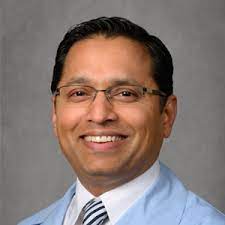
Dr. Alam is an internationally renowned psychiatrist with academic affiliations with Northwestern University and University of Illinois, Chicago where he completed his residency training. He has been a principal investigator for over forty studies and has been involved in research leading to the approval of most psychiatric medications currently on the market. He is the founder of the Neuroscience Research Institute which continues to conduct research on cutting edge medication and interventional psychiatry. Dr. Alam is a Distinguished Fellow of the American Psychiatric Association and the American Society of Addiction Medicine. He has won several awards and has been featured extensively on radio and television.